
The Shizuko Interlude
No Longer HumanChronicles Yozo's time as a kept man with Shizuko, the magazine journalist, and his brief role as a father figure to Shigeko.
increasing Bearing strength in each event
 decreasing
Bearing strength in each eventdecreasingThe Introduction
The Meeting at Horiki's
The Woman from the Magazine
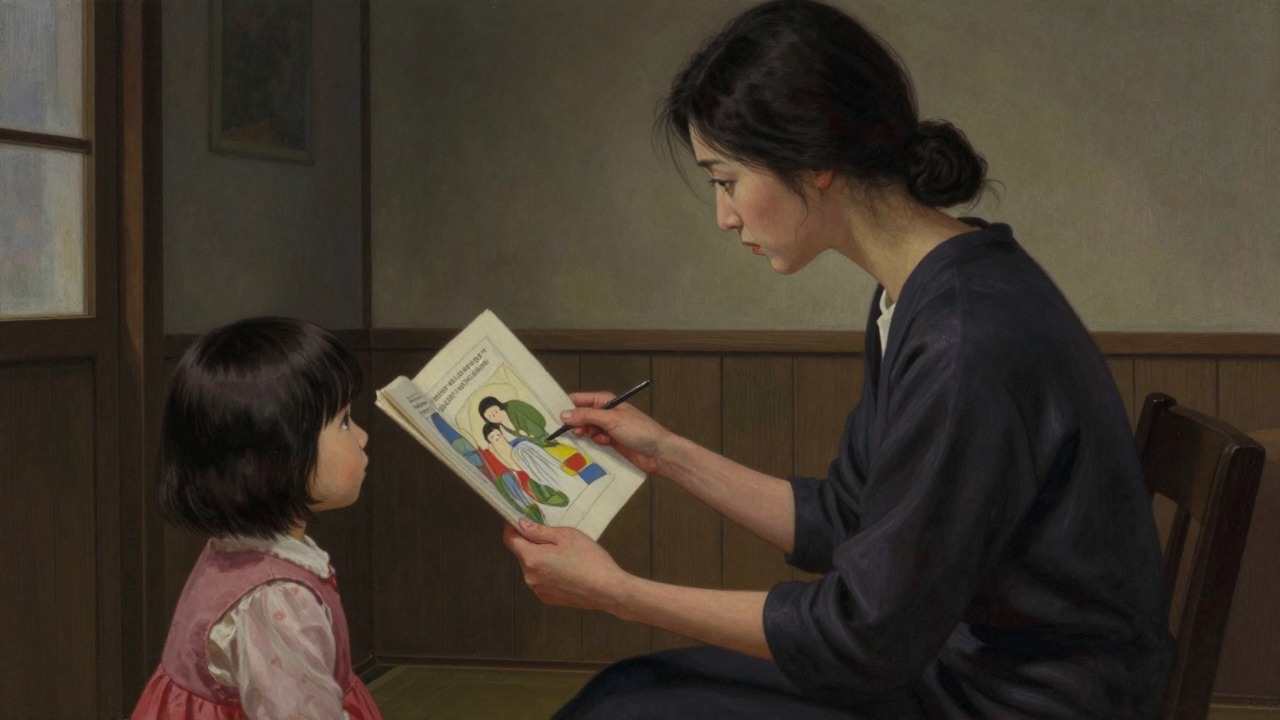
Shizuko came to Horiki's house to collect an illustration. She was a tall, thin woman, twenty-eight, with a five-year-old daughter.
The Pity
She said to Yozo, "You look like someone who's had an unhappy childhood." She offered him a place to stay.
The Acceptance
Yozo, with nowhere else to go, accepted. He became a kept man.
The Kite in the Wires
The Symbol of Trappedness
The Torn Kite
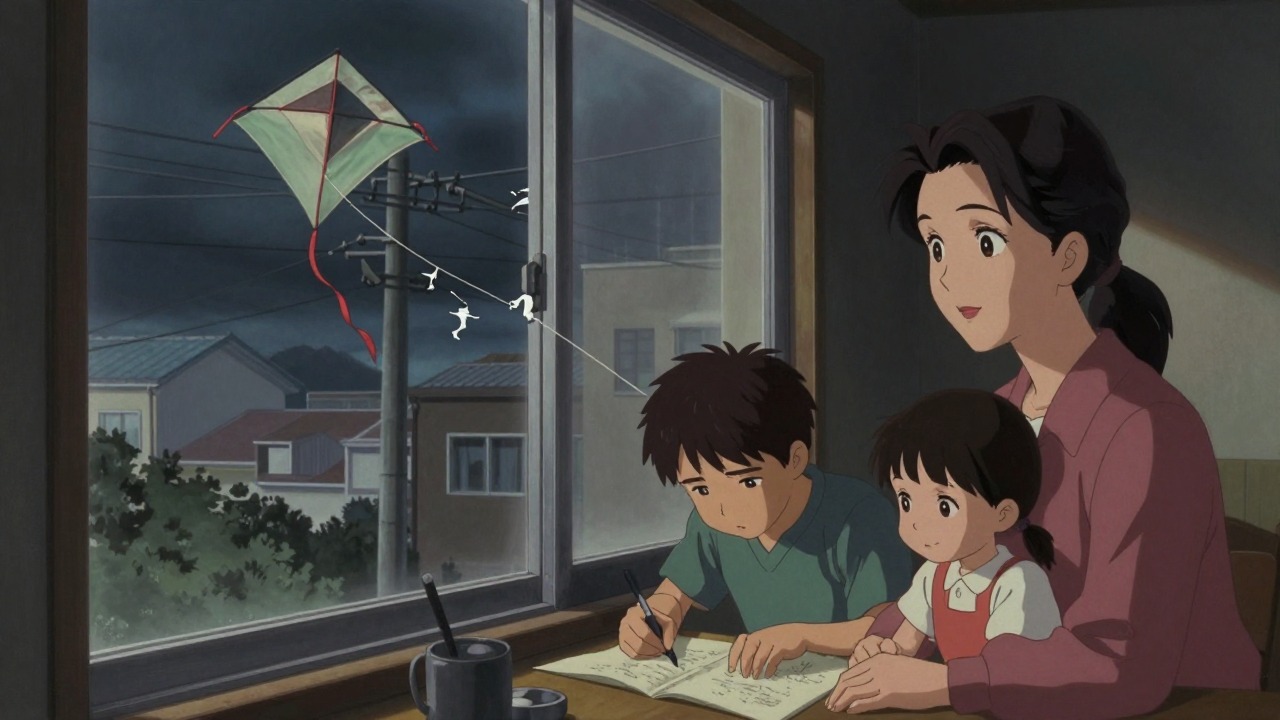
Outside the window, a kite was caught in the telegraph wires, ripped by the wind. Yozo saw it as a symbol of his own condition.
The Daily Routine
Shizuko went to work, and Yozo looked after Shigeko. He drew cartoons and felt a growing depression.
The Smile of Embarrassment
Every time he looked at the kite, he smiled with embarrassment. He knew he was trapped, but he could not escape.
The Father Figure
The Little Girl's Trust
Shigeko's Affection
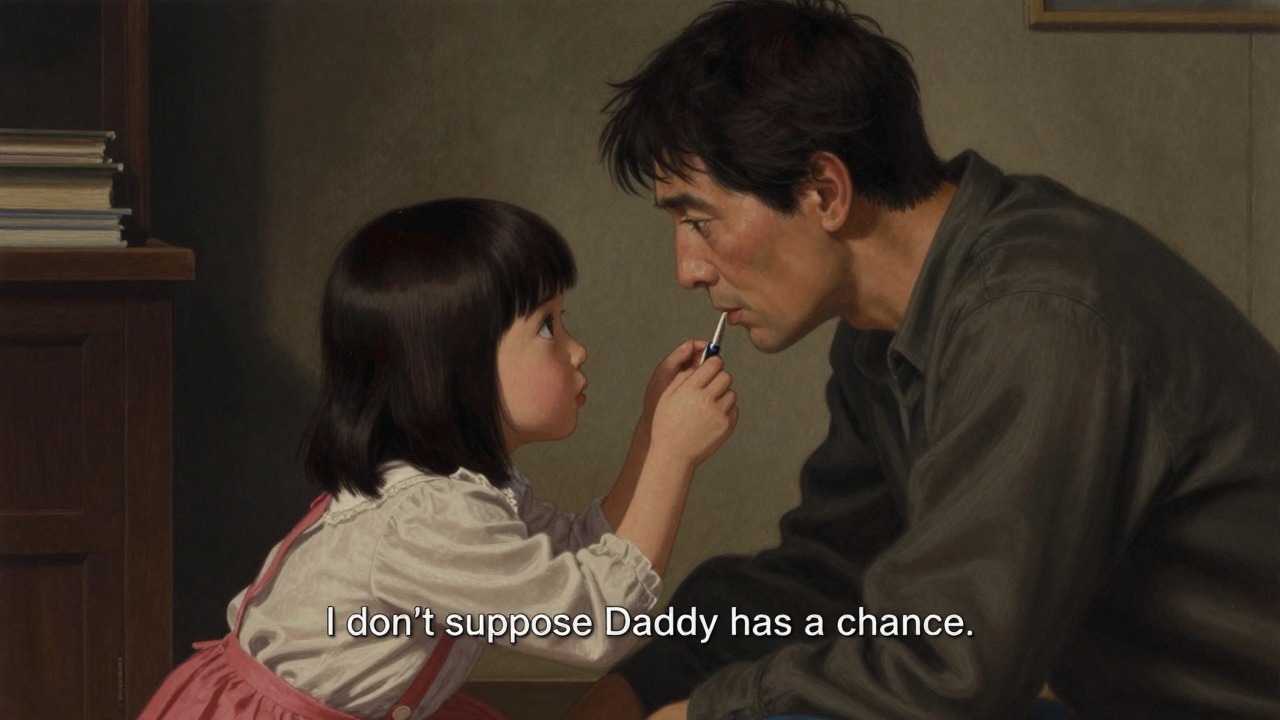
Shigeko began to call Yozo "Daddy." She was delighted to have a playmate. Yozo felt a tenderness that surprised him.
The Question of God
Shigeko asked if God grants wishes. Yozo thought to himself, "I don't suppose Daddy has a chance." He felt unworthy of even prayer.
The Moment of Warmth
Despite his depression, the time with Shigeko was a brief respite. He enjoyed the simple pleasure of being needed.
The Stealing Incident
The Betrayal of Trust
The Pawned Clothes
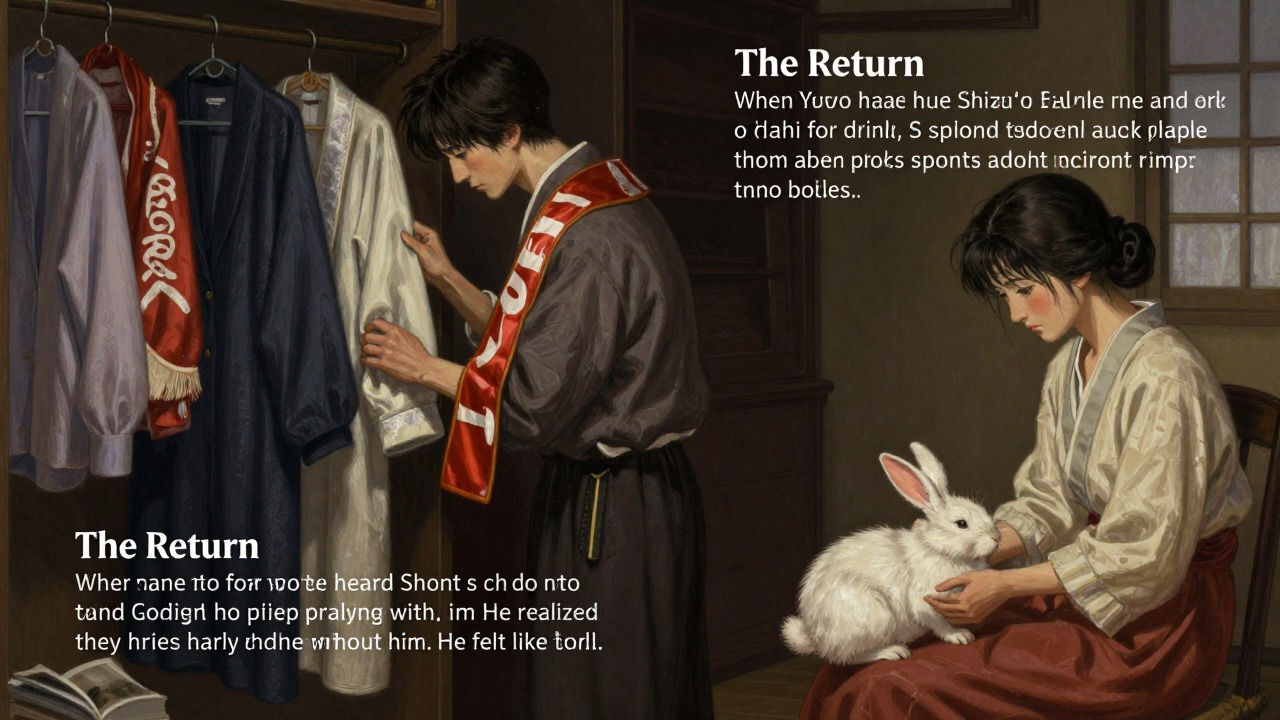
Yozo stole Shizuko's underrobes and sashes to pawn for drink. He spent two nights away from home.
The Return
When he came back, he heard Shizuko and Shigeko playing with a rabbit. He realized they were happy without him. He felt like a fool.
The Decision to Leave
He shut the door softly and went to the Ginza, never to return to the apartment. He ended his life as a kept man with Shizuko.
the day Yozo ran away from Flatfish
first week in Koenji apartment
during the Koenji period
after a year, when the cherry trees were leafing
